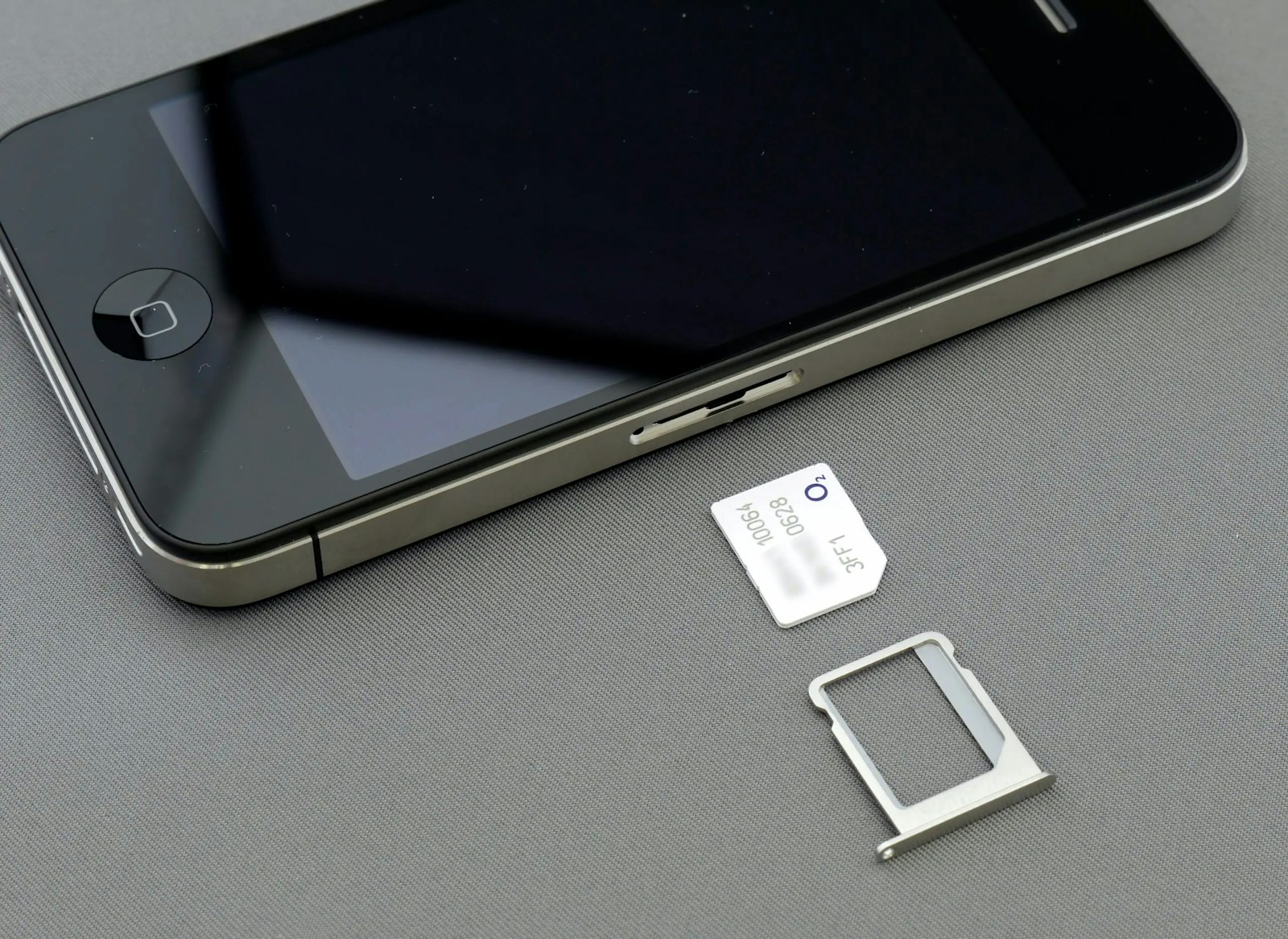
The way we stay connected is changing, and it's not just about faster speeds or shiny new gadgets. Beneath the hype of 5G and foldable phones, a quieter transformation is happening-reshaping our digital landscape while helping the planet. Enter the eSIM, a built-in version of the traditional SIM card designed to cut down on plastic waste and reduce our electronic clutter. But how exactly does this little piece of tech make a difference, and why should you care? Let's break it down.
Remember when SIM cards were as big as credit cards? You might only know that the first SIM cards were bulky if you've been a mobile phone user since the early '90s. Over time, these cards shrank-first to mini-SIMs, then micro-SIMs, and finally to the tiny nano-SIMs we use today. But even as the plastic got smaller, the core technology stayed the same: a little chip that stores your mobile data, surrounded by unnecessary plastic.
So, why did physical SIM cards stick around for so long? The answer is straightforward. The entire telecom industry had been built around these cards, and moving to a completely digital system was challenging. Compatibility across devices and carriers was key, and the infrastructure needed to support that shift took time to develop.
Then came the eSIM-a tiny, built-in SIM that does away with the plastic card altogether. Instead of inserting a card into your phone, eSIM technology is part of the device itself. This shift might seem small, but it's a game-changer for convenience and the environment. In fact, the first major introduction of eSIM technology happened in 2018, when Apple integrated it into their iPhones, signalling the start of a broader adoption by other major brands.
Think about it-what happens to the old one every time you change SIM cards? It probably ends up forgotten in a drawer or, more likely, tossed in the trash. These tiny cards may seem insignificant on their own, but when you consider that millions are made, shipped, and thrown away yearly, the environmental impact increases quickly.
That's where eSIMs come in as quiet heroes. By eliminating the need for physical cards, eSIMs cut down on plastic waste. But the benefits continue beyond there. Think about the resources used to manufacture, package, and distribute those millions of cards each year-not to mention the carbon emissions from transporting them across the globe. Going digital with eSIMs reduces all that, shrinking the overall environmental footprint.
It's more than just waste reduction, though. Traditional SIM cards, made from plastic and small amounts of metal, are difficult to recycle and often end up in landfills. eSIMs sidestep that problem entirely. They also align with the broader trend in the tech industry of reducing e-waste and embracing circular economy principles, where products are designed with longevity and recyclability in mind. So, choosing an eSIM over a traditional SIM card means you're not just making a convenient choice but a more eco-friendly one.
But eSIMs aren't just about helping the environment-they're also incredibly convenient. Picture this: you're travelling abroad and need to switch to a local network to avoid those outrageous roaming fees. Normally, you'd have to buy a travel SIM card, fiddle with your phone's tiny SIM tray, and hope you don't lose your original card along the way. With an eSIM, there's none of that hassle. Everything is digital. With a few taps on your phone, you're connected to the local network-no physical card swapping is needed.
This convenience isn't just for travellers. eSIMs let you juggle multiple numbers on a single device. If you're balancing work and personal lines or regularly switching carriers, eSIMs make the whole process smoother. And because eSIMs are embedded in your device, they're more secure. Unlike physical SIM cards that can be lost or stolen, eSIMs stay safely inside your phone, adding an extra layer of protection.
To put this into perspective, imagine a frequent traveller constantly hopping between countries. Instead of fumbling with different travel SIM cards or paying high roaming fees, this traveller can seamlessly switch to a local network via eSIM technology, saving time and money. The ease and flexibility of eSIMs are a game-changer for those on the move.
So, how do you get started with eSIMs? It's easier than you might think. First, check if your device supports eSIM technology-most newer smartphones and tablets do. Once you've confirmed that, switching is straightforward. Many mobile networks now offer eSIMs, and setting one up usually takes just a few minutes.
Activating an eSIM is simple—often as easy as scanning a QR code or downloading a profile directly to your device. No plastic, no postage, no frustration. For frequent travellers, opting for an eSIM instead of dealing with physical travel SIM cards is a huge relief—no more fiddling with SIM trays in airport lounges or worrying about losing that tiny SIM card somewhere along your journey. Plus, it’s a great way to avoid the hassle and cost of roaming fees, especially if you’re equipped with practical advice on how to beat them.
While the process is typically straightforward, here are a few tips to ensure a smooth transition to eSIM technology:
Of course, like any new technology, eSIMs have their challenges. Some older devices don't support eSIMs, and the technology is still catching on in certain parts of the world. While eSIM support is widely available in Europe, North America, and parts of Asia, it's less common in other regions. If you plan on using an eSIM in an area where support might be spotty, it's worth checking with local providers before switching. To make the most of this technology, it’s helpful to first understand how eSIM technology works and whether it suits your needs.
While eSIMs simplify many aspects of mobile connectivity, troubleshooting can sometimes be trickier than just swapping a physical SIM. If you run into issues in a region where eSIM profiles aren't widely supported, it might take more effort to resolve the problem. However, carriers are continually improving their eSIM services, and as the technology becomes more widespread, these issues are gradually becoming less common.
Looking ahead, eSIMs-and the newer iSIM technology-are set to play an even bigger role in how we stay connected. iSIMs take it a step further by embedding SIM functionality directly into the device's processor, eliminating the need for a separate chip altogether. While still in the early stages, iSIM technology shows a lot of promise for further reducing the physical components in our devices.
But the potential of eSIMs goes beyond smartphones. They're already being used in a wide range of devices, from smartwatches to Internet of Things (IoT) gadgets. Imagine a world where your car, home security system or even your fridge stays connected without the need for a physical SIM card. The possibilities are endless, and so is the potential to cut down on electronic waste.
eSIMs and iSIMs also have the potential to significantly impact various industries. For instance, in the automotive industry, connected vehicles can benefit from integrated SIM technology, allowing for constant connectivity without the need for a removable SIM. In smart homes, devices can communicate more efficiently with each other, creating a seamless network that's easier to manage and more sustainable in the long run.
As more devices and networks start supporting eSIM technology, we're moving towards a future where staying connected is easier and more sustainable. For consumers, this means making smarter, more environmentally conscious choices without sacrificing convenience.
By understanding how SIM cards have evolved and embracing the potential of eSIMs, we can all help create a more sustainable future. Whether you want to reduce your environmental footprint or want the convenience of managing multiple numbers without constantly swapping SIM cards, eSIMs offer a smarter, more eco-friendly solution. So, the next time you're considering buying a travel SIM card, think about choosing an eSIM instead-it's a small change that can make a big difference.